A record construction pipeline
Utility-scale solar is entering a heavy build phase. According to the Global Solar Power Tracker maintained by Global Energy Monitor, more than 440 GW of utility-scale solar is under construction worldwide, and US-focused coverage points to roughly 70 GW of new capacity expected to come online across 2026 and 2027. Large projects illustrate the scale — including multi-hundred-megawatt and gigawatt-class complexes across Arizona and a deep pipeline in Texas — signalling sustained demand for the structures beneath the modules. Source: Global Energy Monitor.
Foundations and trackers scale with the pipeline
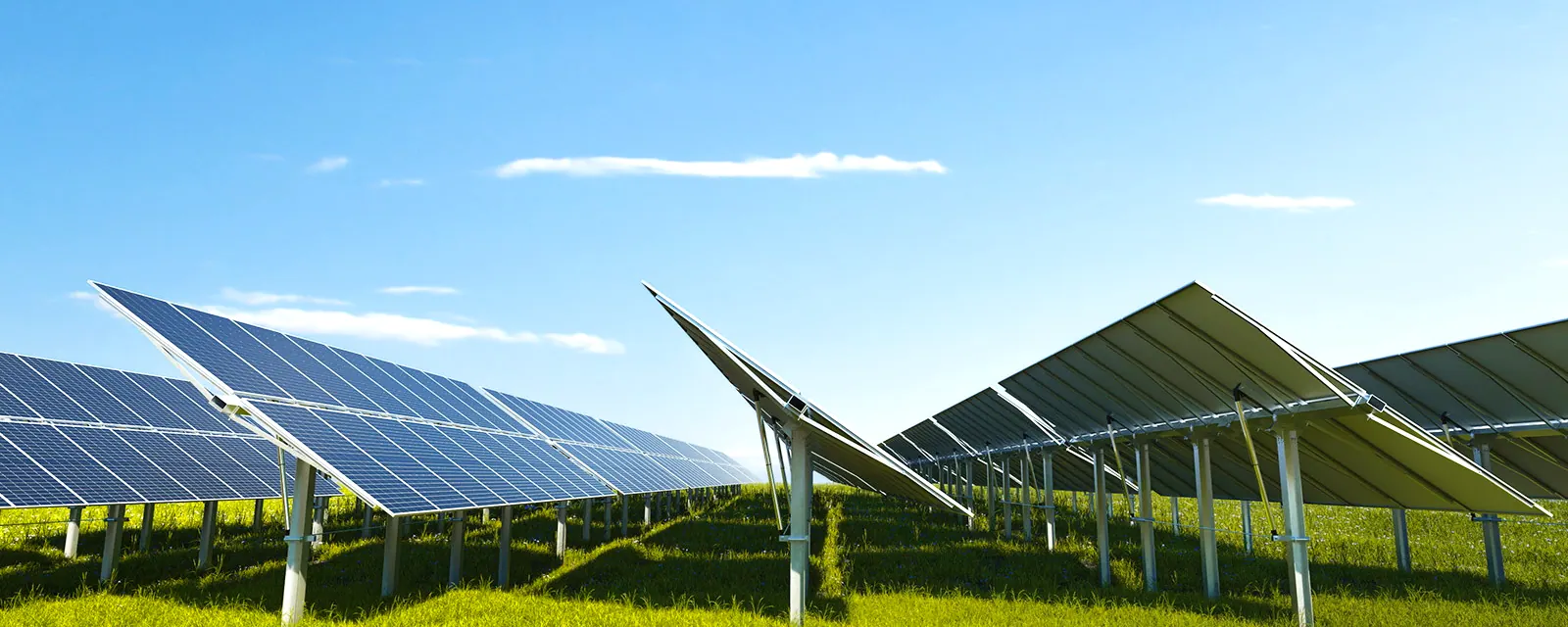
Every gigawatt of ground-mounted solar is also a gigawatt of foundations and racking. That means driven piles or ground screws, steel structure, and — increasingly — single-axis trackers, which now dominate new large-scale installations for their yield advantage over fixed-tilt. A busy pipeline concentrates demand on exactly these components, so foundation type and structure supply become part of a project's schedule risk, not just its cost.
What a busy pipeline means for procurement
When many projects build at once, lead time and site readiness matter as much as unit price. Geotechnical data drives the choice between driven piles and ground screws, and confirming it early avoids redesign once machines are mobilised. Standardising the ground structure across repeatable rows also speeds installation, which is valuable when construction crews and equipment are in high demand.
Standardisation and site readiness
The strongest utility RFQs pair a clear load basis with real site data — soil report, pull-out expectations, terrain and layout — so a supplier can propose a foundation and structure that installs cleanly at volume. Comparing pile and screw options against the same assumptions gives procurement a genuine like-for-like decision rather than a comparison built on different premises.
Inputs for utility-scale mounting
To move a utility project toward a realistic structure and foundation package, send Apex the layout, module datasheet, geotechnical report, terrain description and local wind and snow basis. With the utility-scale application context and these inputs, the team can align a ground, pile, screw or tracker configuration with the project and support a schedule-aware supply plan.
Prepare your project for Apex review
Send the project location, module datasheet, layout drawing, wind and snow basis, and roof or foundation condition for faster system selection.
Request Project Review