A first-of-its-kind project reaches financial close
Abu Dhabi's Masdar has reached financial close on what it calls the world's first gigascale 24/7 renewable energy project: a 5.2 GW solar plant paired with a 19 GWh battery energy storage system, developed with the Emirates Water and Electricity Company. The US$6.1 billion scheme is funded by roughly US$5.1 billion of debt from a consortium of 13 local and international banks plus around US$1 billion of Masdar equity, and is slated to be operational in 2027. Source: PV Tech.
What "round the clock" means here
The combination is designed to deliver 1 GW of baseload renewable power around the clock — solar generation charging the batteries by day, storage carrying the load overnight. Masdar says the plant will avoid about 5.7 million tonnes of CO2 emissions a year and supply the equivalent of nearly half a million homes. If it performs as designed, it answers the standard objection to solar as a baseload resource, and other sun-rich markets will be watching closely.
The structural scale behind the headline
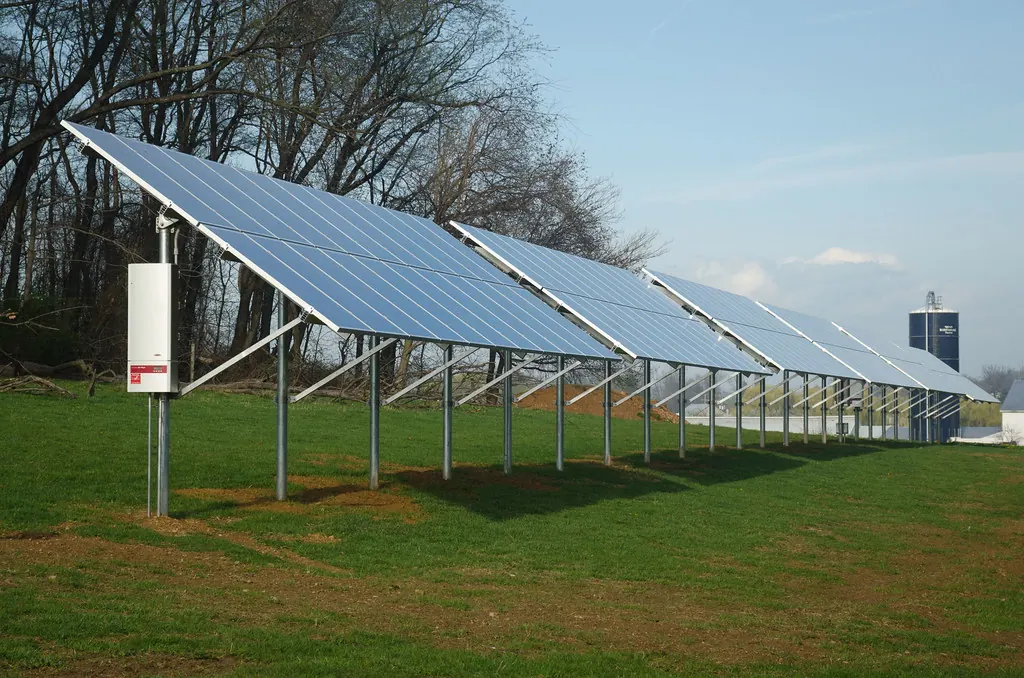
A 5.2 GW single site is an enormous structural undertaking: millions of modules, hundreds of thousands of foundations and racking assemblies, all installed on a schedule measured in months. At this scale, ground-mount structure decisions compound — a small saving in steel per watt or minutes per pile multiplies across the whole site. Driven pile foundations dominate desert utility builds for exactly this reason: predictable installation rates and no concrete logistics in remote locations.
Desert conditions are a design brief of their own
Gulf-region sites combine high ambient temperatures, large day-night thermal cycles, abrasive dust and, near the coast, salt-laden air. Structures need coating systems specified for the corrosion environment, hardware that tolerates thermal movement, and tracker drives protected against dust ingress. Buyers should require the design temperature range and corrosion class in writing — our guide to corrosion protection explains what to look for.
The takeaway
Financial close on a US$6.1 billion 24/7 solar-storage plant shows where utility solar is heading: bigger sites, hybrid configurations and tighter delivery schedules. Developers and EPCs planning utility-scale projects in hot or desert climates can send Apex the site location, module format, layout and load basis — the engineering team will prepare a structure package specified for the environment, with documented calculations for review.
Prepare your project for Apex review
Send the project location, module datasheet, layout drawing, wind and snow basis, and roof or foundation condition for faster system selection.
Request Project Review