Corrosion decides service life
A solar mounting structure is expected to last for decades outdoors, so corrosion protection is not a detail — it decides whether the structure reaches its design life. The right material and finish depend on the real environment: a mild inland site, a salt-laden coast, an agrivoltaic field with fertilisers and moisture, or an industrial area with airborne chemicals each impose different corrosion demands. Stating the corrosion class up front avoids both under-protection and paying for more than the site needs.
Aluminium, stainless and galvanized steel
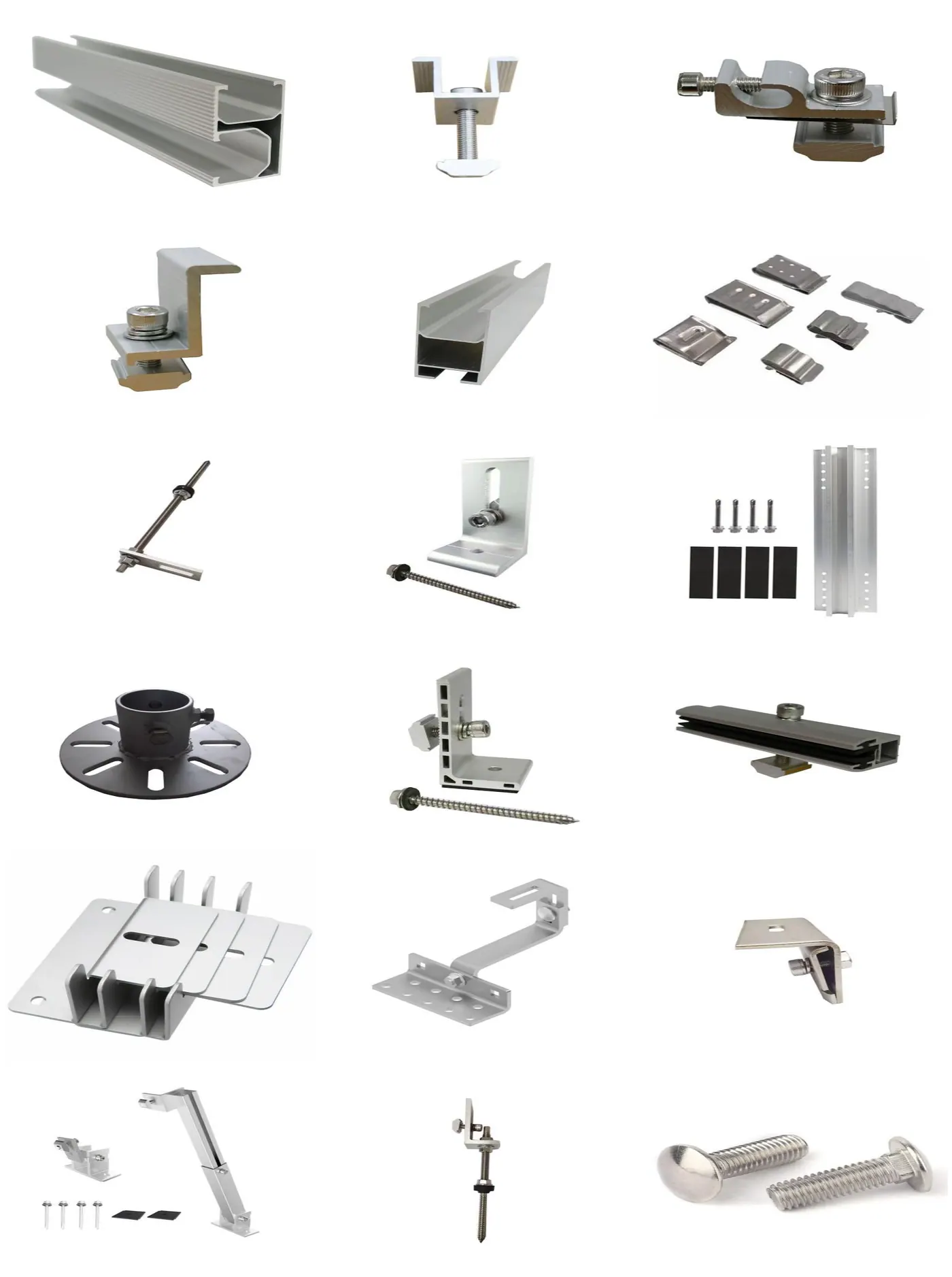
Most systems combine materials chosen for their job: AL6005-T5 aluminium for rails, SUS304 (and SUS316 in harsher settings) stainless for fasteners and clamps, and Q235B or Q355B hot-dip galvanized steel for ground structures. Each has a different corrosion behaviour, and mixing metals introduces galvanic considerations at the connections. Matching the accessory and fastener package to the structure material is part of a durable design.
Coating thickness and standards
For steel, the galvanizing thickness is the key protective parameter and is specified to standards such as ASTM A123 or the relevant ISO equivalent. Thicker coatings buy service life in aggressive environments. Soil resistivity, moisture and the presence of stray currents also affect buried ground foundations, so coastal, industrial and agricultural projects should confirm the expected corrosion category before the bill of materials is locked.
Coastal and agrivoltaic specifics
Coastal and offshore-adjacent sites face salt spray that can rapidly attack under-specified hardware, which is why they usually move to higher stainless grades and thicker galvanizing. Agrivoltaic and greenhouse projects add fertiliser, irrigation moisture and sometimes livestock exposure, all of which raise the corrosion demand at ground level. These conditions should be described honestly so the material scope is realistic rather than optimistic.
Get the material scope right early
The cheapest way to handle corrosion is to specify it correctly at the quotation stage. Send the site location, distance from the coast, industrial or agricultural exposure and any local corrosion category, and Apex can align the aluminium alloy, stainless grade, galvanizing thickness and fastener material with the environment — so the structure and its documentation reflect the conditions the project will actually face.
Prepare your project for Apex review
Send the project location, module datasheet, layout drawing, wind and snow basis, and roof or foundation condition for faster system selection.
Request Project Review