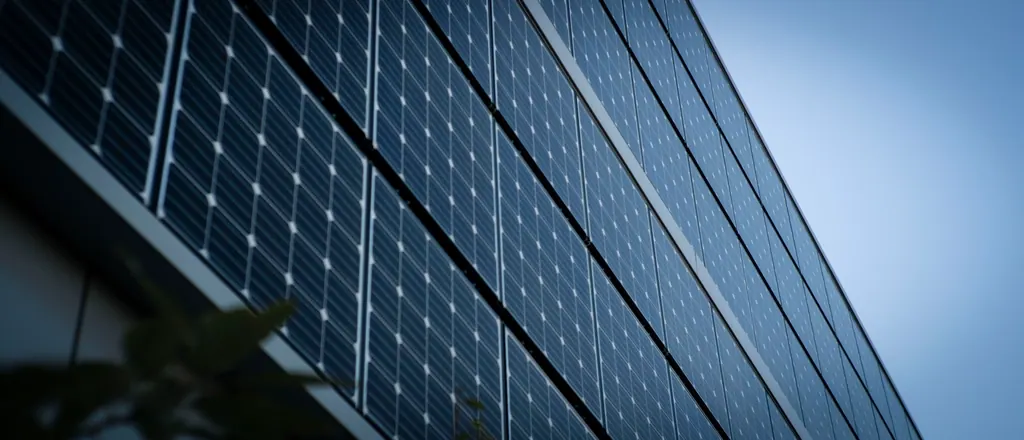
Tandem technology clears the silicon ceiling
Perovskite-silicon tandem technology moved firmly from the lab toward the market in 2026. As reported by pv magazine, Trina Solar announced a 907 W tandem module with a full-panel efficiency of 29.2%, tested by Germany's TÜV SÜD, while JinkoSolar reached a certified 34.82% tandem cell efficiency and LONGi set an NREL-certified cell record of 34.85%. These figures clear the practical ceiling of conventional single-junction silicon by more than a full percentage point — a gap standard panels cannot close. Source: pv magazine.
Higher power often means a different module
For mounting, the headline is not only efficiency but format. Higher-output panels are frequently larger, and next-generation modules can differ in dimensions, weight and frame design from the panels a system was originally sized for. Because the structure has to carry whatever module is finally chosen, changes in module size and mass feed directly into clamp position, rail span, support spacing and the wind area the structure must resist.
What actually changes for the structure
Three things matter when a heavier or larger module is specified: clamp compatibility with the frame thickness and clamp zone, the load each module places on rails and foundations, and the increased wind surface of a bigger panel. On roof systems this affects fixing density and rail choice; on ground systems and trackers it affects support spacing and foundation reactions. Bifacial tandem designs add rear-side considerations too, as covered in the bifacial mounting guide.
Records now, volume later — but plan ahead
Industry coverage suggests large-scale tandem shipments are expected later this decade rather than immediately, with commercial lines still ramping. Even so, module dimensions and power classes have been trending upward for years, so buyers specifying structures today benefit from confirming clamp range and load headroom rather than sizing to the tightest possible fit. A little flexibility now avoids a redesign when the module list changes.
Inputs for future-ready mounting
To keep a structure compatible with evolving modules, send Apex the current module datasheet with its exact dimensions, weight and frame detail, plus the layout and local wind and snow basis. With these, the team can confirm clamp compatibility, rail span and foundation loading — and flag where a small allowance leaves room for the higher-power modules now entering the market.
Prepare your project for Apex review
Send the project location, module datasheet, layout drawing, wind and snow basis, and roof or foundation condition for faster system selection.
Request Project Review