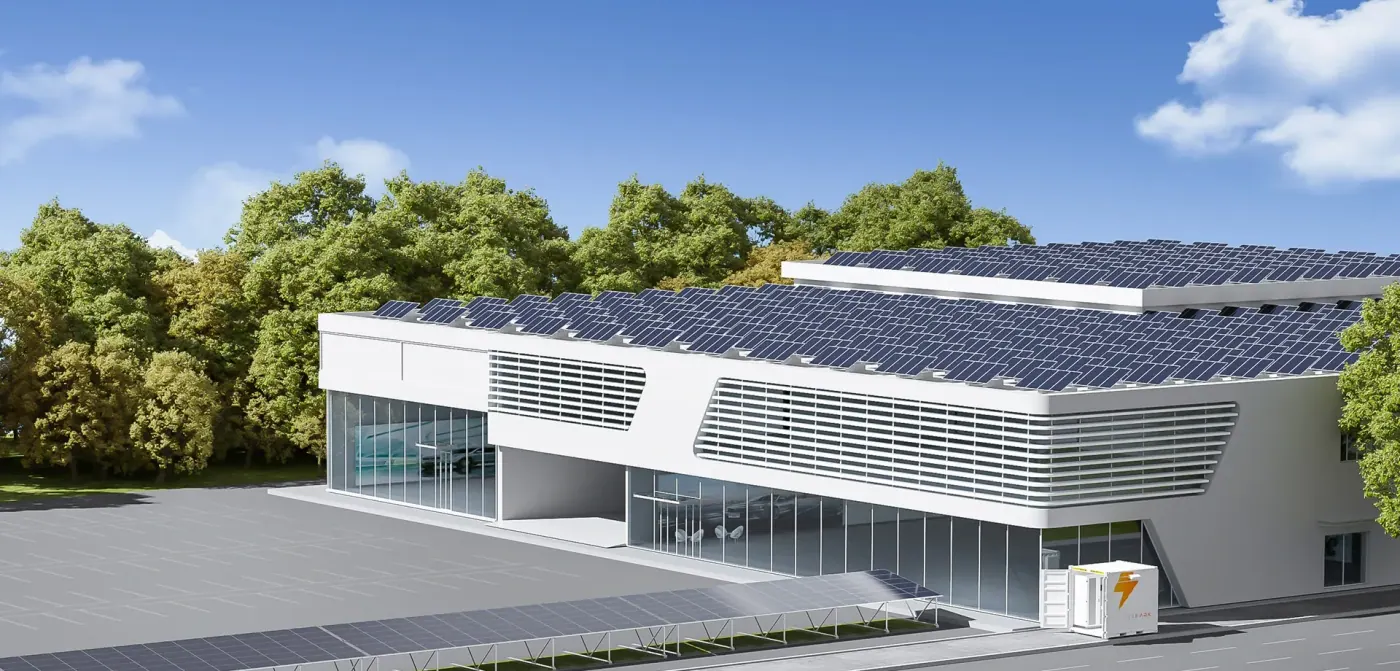
Start with the roof interface
Roof mounting selection begins with the actual roof type. Tile roofs normally require hook selection and rafter or batten review. Trapezoidal metal roofs may use short rails, clamps, L feet or hanger bolts depending on the sheet profile and purlin condition. Flat roofs may use ballasted or fixed tilt systems depending on roof load allowance, waterproofing requirements and wind zone.
Review wind zones and fixing points
Roof PV arrays are sensitive to uplift. Edge zones, corner zones, parapet height and module layout can change the fixing schedule. A good roof mounting review should not only ask for the panel layout; it should also check roof profile, purlin spacing, fixing method, local wind basis and waterproofing detail.
Match the system to installation workflow
For commercial roofs, fast installation and reduced roof penetration are often important. Mini rail and trapezoidal clamp systems can reduce material and installation time where the roof profile allows. Ballasted flat roof systems can protect waterproofing layers, but the ballast plan must be reviewed against roof load allowance and drainage. The full solar roof mounting range covers tile, metal and flat roof interfaces.
Inputs to send Apex
Prepare roof drawings, roof profile photos, purlin or rafter spacing, module datasheet, planned module orientation, local wind/snow basis and any waterproofing restrictions. Apex can then help identify the closest roof mounting system and quotation-ready component scope.
Ballasted versus fixed roof systems
A common buyer question is whether to choose a ballasted flat roof system or a mechanically fixed roof system. Ballast can reduce penetrations and protect waterproofing where roof load allowance is sufficient. Mechanical fixing can reduce ballast weight but requires careful waterproofing and structural interface review. The right choice depends on membrane condition, roof structure, wind zone, drainage paths and the owner's restrictions on roof penetration.
Metal roof profile details matter
For trapezoidal or other metal roofs, the profile height, crest width, sheet thickness and purlin spacing influence clamp or short-rail selection. A drawing is helpful, but roof photos and measured profile details often prevent mistakes. The module clamp zone also has to match the rail layout. These small interface checks can reduce installation delays and avoid ordering components that do not fit the actual sheet profile.
Tile roof hooks need structural alignment
Tile roof systems require hook position, rafter or batten spacing, tile clearance and waterproofing detail to be reviewed together. Adjustable hooks may help match uneven roof surfaces, but they still need a reliable load path into the roof structure. For export buyers, the clearest RFQ includes roof pitch, tile type, rafter spacing, module size and any local installation rule that affects fixing density.
Buyer checklist before inquiry
Before sending an inquiry about solar mounting selection, prepare the project location, module datasheet, preliminary layout, expected capacity, installation interface and delivery schedule. For engineering review, the most useful information is not only the product name, but the condition around the product: roof mounting, roof interface and fixing method. These details help Apex reduce assumptions and provide a more useful quotation discussion.
How to compare mounting suppliers
When comparing solar mounting suppliers, look beyond one headline load value. Check whether the supplier explains the application range, material package, design basis, warranty position, documentation support and required project inputs. A clear datasheet should help the buyer understand what is standard, what is project-specific and what must be confirmed before final engineering or order release.
Documentation to request
For procurement review, ask for the product datasheet, preliminary component scope, material description, packing information and the input list required for final BOM alignment. For larger projects, buyers may also request drawing review, structural calculation basis and project-specific material take-off by order scope. This documentation helps the technical and purchasing teams evaluate the mounting system together.
Commercial evaluation notes
A useful commercial comparison should connect price with technical scope. For solar mounting selection, confirm whether the quotation includes the expected mounting components, fasteners, interface parts, packing requirement and document support. If two suppliers quote different scopes, the lower price may simply exclude items that will be needed later. Buyers should ask each supplier to state the assumptions behind roof mounting, roof interface and fixing method so the purchasing team can compare like for like.
Inputs that change the final BOM
The final BOM can change when the module size, clamp zone, wind basis, snow basis, corrosion exposure, foundation condition, roof profile or delivery requirement changes. Even small layout adjustments may affect rail length, support spacing, ballast quantity, column position or accessory count. For this reason, Apex treats early website information as screening guidance and confirms the final order scope after project-specific review.
Internal review workflow
For EPCs, developers and distributors, the best workflow is to shortlist the product family, download the datasheet, collect site inputs and then share the package with both technical and purchasing stakeholders. This avoids a common problem where procurement requests a price before engineering has confirmed the mounting interface. A coordinated review creates a cleaner RFQ and makes later negotiation more productive.
Prepare your project for Apex review
Send the project location, module datasheet, layout drawing, wind and snow basis, and roof or foundation condition for faster system selection.
Request Project Review