Cleaning automation needs field evidence
PV Magazine reports that Dubai Electricity and Water Authority (DEWA) has assessed PV cleaning-robot performance and safety under hot desert conditions. The evaluation underscores that reliability and module effects matter alongside cleaning speed. Source: PV Magazine.
Array geometry is part of the O&M decision
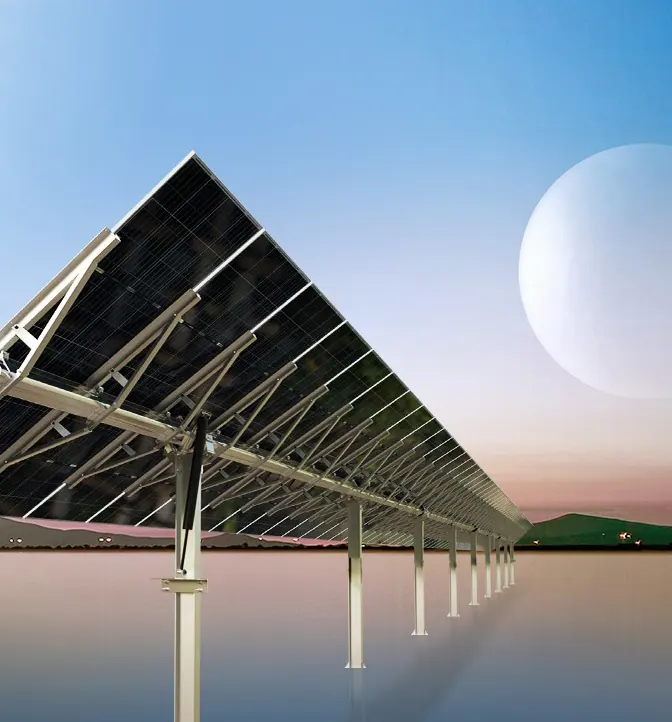
Robotic cleaning can interact with module frames, clamps, rail ends, row spacing, slope, cable routing and local access constraints. A concept that works on one array should therefore be checked on the actual module, mounting configuration and operating environment before it is scaled across a portfolio.
Buyer impact
Include cleaning-method assumptions early in the project data pack. Ask for compatibility evidence, safety procedures, water-use requirements, fault recovery, module warranty position and a representative site trial. For a new utility array, Apex can review these inputs alongside the solar ground mounting system layout so mounting details do not create avoidable O&M conflicts.
Prepare your project for Apex review
Send the project location, module datasheet, layout drawing, wind and snow basis, and roof or foundation condition for faster system selection.
Request Project Review