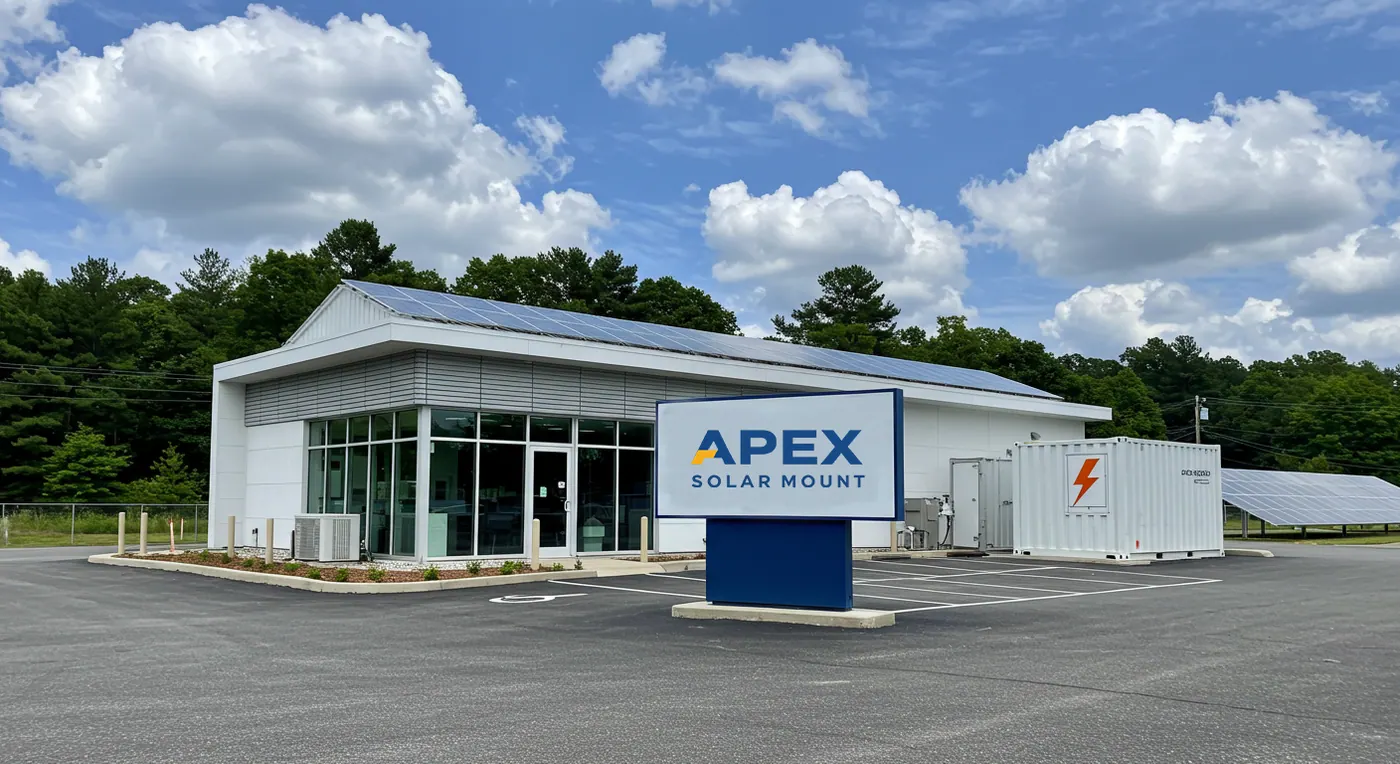
Project information Apex reviews
Apex project review starts with practical inputs: project location, module datasheet, site layout, wind and snow basis, roof or foundation condition, corrosion exposure and delivery schedule. These items define whether a standard mounting structure is suitable or whether the BOM needs project-specific sizing.
How the review helps procurement
A clear review process reduces quotation uncertainty. Instead of only matching a product name, Apex checks the application interface and expected design envelope. This helps overseas EPCs, developers and distributors understand which product family is closest to the project condition and what information is still needed before order confirmation.
What Apex can prepare
Depending on the order scope, Apex can support product datasheets, preliminary material scope, BOM discussion, packing information and drawing review inputs. These documents are useful for internal buyer evaluation before final commercial confirmation.
Recommended next step
Prepare the project drawings, module datasheet and local load basis, then contact Apex for system selection and quotation support. The more complete the project inputs are, the faster the mounting structure and BOM can be aligned.
How this topic affects supplier comparison
This topic should be used as a supplier comparison checklist, not only as general reading. Buyers can ask whether each supplier explains application limits, material scope, project inputs and documentation support. The more clearly a supplier connects product selection with real project conditions, the easier it is for an EPC, developer or distributor to compare the quotation on technical grounds.
What to clarify before order release
Before order release, clarify the final design basis, confirmed module data, material finish, packing requirement, delivery schedule and document package. If the project has local authority review, special corrosion exposure or unusual installation constraints, raise those points before the BOM is locked. Early clarification reduces the risk of late changes after production or shipment planning has started.
Buyer checklist before inquiry
Before sending an inquiry about solar mounting selection, prepare the project location, module datasheet, preliminary layout, expected capacity, installation interface and delivery schedule. For engineering review, the most useful information is not only the product name, but the condition around the product: application type, module data and mounting system scope. These details help Apex reduce assumptions and provide a more useful quotation discussion.
How to compare mounting suppliers
When comparing solar mounting suppliers, look beyond one headline load value. Check whether the supplier explains the application range, material package, design basis, warranty position, documentation support and required project inputs. A clear datasheet should help the buyer understand what is standard, what is project-specific and what must be confirmed before final engineering or order release.
Documentation to request
For procurement review, ask for the product datasheet, preliminary component scope, material description, packing information and the input list required for final BOM alignment. For larger projects, buyers may also request drawing review, structural calculation basis and project-specific material take-off by order scope. This documentation helps the technical and purchasing teams evaluate the mounting system together.
Commercial evaluation notes
A useful commercial comparison should connect price with technical scope. For solar mounting selection, confirm whether the quotation includes the expected mounting components, fasteners, interface parts, packing requirement and document support. If two suppliers quote different scopes, the lower price may simply exclude items that will be needed later. Buyers should ask each supplier to state the assumptions behind application type, module data and mounting system scope so the purchasing team can compare like for like.
Inputs that change the final BOM
The final BOM can change when the module size, clamp zone, wind basis, snow basis, corrosion exposure, foundation condition, roof profile or delivery requirement changes. Even small layout adjustments may affect rail length, support spacing, ballast quantity, column position or accessory count. For this reason, Apex treats early website information as screening guidance and confirms the final order scope after project-specific review.
Internal review workflow
For EPCs, developers and distributors, the best workflow is to shortlist the product family, download the datasheet, collect site inputs and then share the package with both technical and purchasing stakeholders. This avoids a common problem where procurement requests a price before engineering has confirmed the mounting interface. A coordinated review creates a cleaner RFQ and makes later negotiation more productive.
Prepare your project for Apex review
Send the project location, module datasheet, layout drawing, wind and snow basis, and roof or foundation condition for faster system selection.
Request Project Review